Introduction to dog gut health, itching & microbiome support

Why does my dog have soft stools every day?
“Why is my dog’s poop always soft?”
When stools are consistently loose, pasty, or fluctuate between normal and soft, it often points to digestive instability rather than a one-time upset.
Your dog’s gut contains billions of beneficial bacteria. This ecosystem called the gut microbiome helps regulate:
- Stool formation
- Nutrient absorption
- Inflammation control
- Immune balance

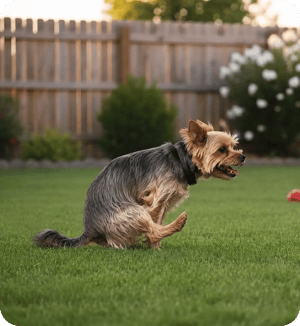
Are soft stools linked to anal gland problems?
Yes, very often !
Firm stool naturally helps empty the anal glands during defecation. When stool is too soft, gland expression becomes incomplete.
Over time, this can lead to:
- Scooting
- Gland impaction
- Sacculitis
- Recurrent inflammation
If your dog’s anal glands keep needing manual expression, looking at stool quality is essential. In many cases, improving gut health reduces gland recurrence. The gland may seem like the problem. But digestion often plays a role.

Why is my dog itchy even without fleas?
Another common search: “My dog is itchy but has no fleas.”
Itching (pruritus) is not a diagnosis. It is a signal. Parasites, allergies, infections, and environmental triggers and other causes must always be properly assessed. But when itching becomes chronic or keeps returning, skin barrier resilience becomes part of the picture.
Your dog’s skin has its own microbiome : a protective layer of beneficial microorganisms that help regulate inflammation and defend against overgrowth of harmful bacteria or yeast. When this balance shifts, the skin becomes more reactive. Flare-ups become easier to trigger and harder to control.
Repeated infections, harsh shampoos, and inflammatory cycles can all disturb this ecosystem.
Supporting the skin microbiome doesn’t replace allergy management. It supports recovery between flare-ups.

Can gut health affect my dog’s skin?
This is where many pet parents are surprised.
The gut and skin communicate through the immune system. This is often referred to as the gut–skin axis. In dogs prone to allergies or chronic inflammation, digestive imbalance may influence how reactive the immune system becomes. When gut microbiota are unstable, inflammatory responses can become amplified, including in the skin.
Not every itchy dog needs probiotic supplements. But in certain chronic cases, estabilising gut health can complement dermatological care. Thinking of your dog as one connected system rather than separate organs often clarifies recurring problems.

Recurrent Ear Infections and Microbiome Balance
If your dog struggles with repeated ear infections, you’re not alone.
The ear canal has its own delicate microbiome environment. When this balance is disrupted, the environment can shift, allowing bacteria or yeast to overgrow. Treating the infection is essential — but restoring a balanced ear microbiome afterwards is key to reducing the risk of recurrence.
Ear health, like skin and gut health, depends on maintaining microbial balance — not eliminating it.

Best Microbiome Support Products for Dogs
Different symptoms require different approaches. Ease of use matters, because consistency determines success.
How to Improve Your Dog’s Skin Health
If symptoms are mild but recurring, a structured approach helps:
Progress takes time. The goal is fewer flare-ups and stronger gut and skin resilience over time.
Frequently Asked Questions
The microbiome is the community of beneficial microorganisms that live in your pet’s gut, skin and ears, helping to maintain overall health and natural balance.
The microbiome plays a key role in keeping your dog healthy. It helps support digestion, protect the skin, and maintain the body’s natural defences.
When it is balanced, your dog is better able to stay healthy. When it is disrupted, common issues like digestive problems, itching or recurring discomfort can appear.
No — while infections can cause itchy, red ears, often with signs like pain, discharge or unpleasant odour, they are not always the underlying cause.
Many ear problems start with factors such as allergies, moisture, parasites or skin sensitivity, which can make the ear canal more prone to irritation. This often affects the ear’s natural microbiome, allowing bacteria or yeast to overgrow.
In these cases, the infection is usually a consequence rather than the root cause. That’s why, beyond treating infections, supporting a healthy ear environment and addressing underlying factors is key to reducing recurrence.
When the microbiome is out of balance, the natural protection it provides is weakened. This can lead to common issues such as digestive upset, itching, recurring ear problems, or skin sensitivity.
Over time, these signs may become persistent or keep coming back. Supporting and restoring balance in the microbiome helps reduce these recurring issues and maintain your dog’s overall wellbeing.
For ongoing or recurrent soft stools, daily microbiome support with probiotics can be beneficial. In cases of acute diarrhoea, more targeted solutions designed to help stabilise stool consistency may be more appropriate.
If symptoms persist, it’s always best to consult your veterinarian.
Microbiome support does not work instantly — restoring balance takes time. Some improvements, such as better digestion or reduced discomfort, may be noticed within a few days.
However, for more stable, long-term results across gut and skin health, consistent support over several weeks is usually needed.
The key is consistency. Supporting the microbiome regularly helps reduce recurring issues over time.
Soft or poorly formed stools may not provide enough natural pressure to empty the glands properly, which can lead to recurring issues. In some dogs, underlying imbalances in the gut microbiome may also contribute to this pattern.
Supporting healthy digestion and stool quality can help reduce the likelihood of ongoing anal gland problems. If issues persist, consult your veterinarian.
7 Signs Your Pet May Be Uncomfortable
Dental discomfort is often one of the first signs something isn’t quite right.
But many signs of pain in pets are subtle — and easy to miss. From changes in appetite or chewing habits to bad breath, low energy, or behavioral shifts, your pet may be trying to tell you something.
Understanding these early signals can make all the difference.
That’s why we created this practical guide — to help you recognize the signs of discomfort early and know what to do next.