Understanding the common signs of pain in pets — and how to help them feel better

This guide explains how to recognise the early signs of pain in dogs and cats, and how simple supportive care can help improve their comfort.
pain_dog

How Pets Show Pain


Pain in dogs and cats is rarely obvious. Instead of vocalising, most pets show subtle changes in behaviour.

A single change may not always indicate a problem — but when these signs persist or appear together, they often signal discomfort.

Signs of pain include:
  • Reduced activity or reluctance to move
  • Changes in appetite or eating more slowly
  • Altered behaviour (irritability, withdrawal or reduced interaction)
  • Changes in posture or movement (stiffness, limping)
  • Increased sensitivity when touched
While a single symptom may not always indicate a problem, persistent patterns usually signal discomfort.
 
In many cases, these signs can be linked to common areas of discomfort, such as:
  • Oral health
  • Ears
  • Skin
  • Joints and mobility
  • Digestive system
 
Each of these areas may be affected differently, but recognising early signs of discomfort is the first step to helping your pet feel more comfortable.
pain_illustr

Dental Pain in Dogs and Cats

Dental disease is one of the most common causes of chronic pain in dogs and cats. Plaque naturally forms on teeth every day. When it builds up along the gum line, it allows bacteria to irritate the gums and surrounding tissues.

Over time, this process can lead to:
  • Gingivitis (early gum inflammation)
  • Periodontal disease
  • Tooth sensitivity and discomfort
  • Difficulty chewing


Because this process develops gradually, many pets continue to eat despite oral pain — which means it often goes unnoticed.
splitImgV2_1

Signs Your Pet May Have Dental Pain

  • Persistent bad breath
  • Yellow or brown deposits on teeth
  • Red, swollen or bleeding gums
  • Dropping food or chewing more slowly
  • Chewing on one side


Daily oral care plays an important role in limiting plaque build-up and helping maintain your pet’s comfort over time.

CATSICK

Solutions That Support Oral Comfort

PRODUCT
Best For
How It HELPS
Pets with plaque build-up or bad breath
Enzymatic oral care helps reduce plaque-forming bacteria
Daily plaque prevention
New technology to plaque control

TO BETTER UNDERSTAND HOW TO KEEP YOUR DOG OR CAT’S
TEETH HEALTHY, EXPLORE OUR

Joint Pain in Dogs and Cats: Early Signs and How to Support Mobility

Joint pain is a common cause of discomfort in dogs and cats, especially as they get older — but it often goes unnoticed.

Unlike sudden injuries, joint problems develop gradually. A dog may slow down on walks. A cat may stop jumping onto favourite places. Some pets simply become less active or sleep more than usual.

Because these changes happen slowly, they are often mistaken for normal ageing.

Recognising these early signs is key to helping your pet stay comfortable and active for longer
split_image_2

Pain in Pets

Pets with joint discomfort may show:
  • Difficulty getting up after resting

  • Moving more slowly or tiring more easily
  • Reluctance to jump, climb stairs, or play

  • Stiffness after exercise or long naps

  • Limping or favouring one leg

  • In cats, avoiding high resting places


When these changes persist, they may indicate that joints are becoming uncomfortable.

sickdog

How to Support Your Pet’s Joint Health and Mobility

Healthy joints rely on cartilage, joint fluid, and the surrounding tissues to allow smooth movement.

Over time, these structures can become less resilient. Nutritional joint support can help maintain cartilage health and support comfortable mobility. Supporting joint health early can help maintain mobility and improve comfort.

Weight management, regular gentle activity, and daily joint support can all contribute to maintaining mobility as pets age. Simple daily actions can make a difference:

  • Maintaining a healthy body weight
  • Encourage regular, gentle exercise
  • Provide comfortable resting areas
  • Consider nutritional joint support when appropriate
Joint supplements for dogs and cats can help support cartilage health and maintain mobility, particularly in ageing pets or active animals.
PRODUCT
Best For
How It HELPS
Dogs and cats that are active or beginning to show mild stiffness
Helps support healthy joints and maintain comfortable movement over time
Dasuquin
Dogs with more noticeable stiffness or reduced mobility
Provides additional joint support to help maintain cartilage health and keep dogs moving comfortably

Ear Pain and Ear Infections

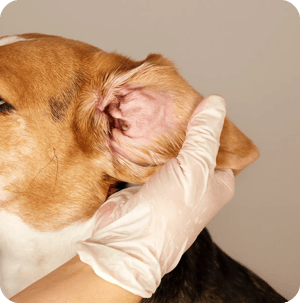
Ear irritation is another frequent cause of discomfort in dogs and cats. The ear canal provides a warm and moist environment where debris, bacteria, or yeast can accumulate. When this balance is disrupted, inflammation may develop.

Signs of Ear Pain

  • Head shaking
  • Scratching around the ears
  • Redness inside the ear
  • Ear discharge
  • Unpleasant odor
  • Sensitivity when the ear is touched

If untreated, ear irritation may progress into more painful infections.

split_image_3

Supporting Ear Health

Regular ear hygiene helps maintain a healthy ear environment and remove debris that may contribute to irritation.
PRODUCT
Best For
How It HELPS
Pets with plaque build-up or bad breath
Enzymatic oral care helps reduce plaque-forming bacteria
Daily plaque prevention
New technology to tarter control

Skin Pain, Itching and Allergies

Skin irritation is one of the leading causes of veterinary consultations worldwide.

Pets can develop skin discomfort due to:
  • Environmental allergies
  • Parasites
  • Microbial imbalance
  • Skin barrier disruption


Once the skin becomes inflamed, the itch-scratch cycle can worsen irritation.

split_image_4

Signs of Skin Pain or Itch

  • Persistent scratching
  • Licking paws
  • Red or inflamed skin
  • Hair loss in localized areas
  • Recurrent hot spots


Supporting the skin barrier and maintaining healthy skin hygiene can help reduce discomfort.

cat_licking
PRODUCT
Best For
How It HELPS
Dogs and cats with itchy or sensitive skin
Helps support the skin barrier and reduce irritation

Anal Gland Pain in Dogs

Anal gland discomfort is a surprisingly common cause of pain in dogs. Anal glands normally empty during bowel movements. When they fail to empty properly, pressure and inflammation can develop.


Signs of Anal Gland Problems

  • Scooting on the floor
  • Licking the rear area
  • Strong fishy odor
  • Difficulty sitting comfortably

One important contributing factor is stool consistency.
When stools are too soft, they may not apply enough pressure to naturally empty the glands. Improving digestive health and stool quality can often reduce recurring gland discomfort.

split_image_5

Supporting Anal Gland Health

Regular ear hygiene helps maintain a healthy ear environment and remove debris that may contribute to irritation.
PRODUCT
Best For
How It HELPS
Dogs with recurrent anal gland discomfort
Helps support natural gland function and digestive balance

Digestive Pain and Gut Imbalance

Digestive discomfort is another frequent cause of recurring pain or irritation.

Pet parents often notice symptoms such as:

  • Soft stools

  • Occasional diarrhea

  • Flatulence

  • Sensitive digestion


In many cases, these signs are linked to an imbalance in the gut microbiome. The gut microbiome is the community of beneficial bacteria living inside the digestive tract. These microorganisms help regulate digestion, immune function, and stool consistency.


When this ecosystem becomes disrupted (a condition called dysbiosis) digestive stability may decline.

split_image_6

Supporting Digestive Balance

PRODUCT
Best For
How It HELPS
Dogs with digestive sensitivity or soft stools
Supports gut microbiome balance and digestive stability
Digestive upset and promotes firmer, more regular stools
Supports gut microbiome balance and improves stool consistency

TO BETTER UNDERSTAND HOW THE MICROBIOME INFLUENCES
DIGESTIVE HEALTH IN DOGS, EXPLORE OUR

Why Early Pain Management is the best prevention

Pain does not always appear suddenly. Most health problems begin as small imbalances that gradually become more uncomfortable over time.

Early support can help prevent problems from worsening. Daily care routines, whether dental hygiene, ear cleaning, skin support, or digestive balance, play an important role in maintaining your pet’s wellbeing.

When these routines are consistent, they can significantly improve long-term comfort and quality of life.

split_image_7

When to Contact Your Veterinarian

Supportive care can help maintain health, but veterinary evaluation is essential when symptoms become severe.

Seek professional advice if you notice:

  • Persistent vomiting or diarrhea

  • Blood in stool

  • Severe lethargy

  • Sudden swelling or wounds

  • Severe pain when touched

  • Rapid behavioral changes


Early veterinary care helps prevent small issues from becoming serious conditions.

split_image_8

Frequently Asked Questions

How can I tell if my pet is in pain?

Pets often show pain through changes in behaviour rather than obvious signs. They may become less active, sleep more, avoid jumping or climbing, or show reduced interest in food or play. Some pets may also become more irritable or withdrawn.

If these changes persist, they may indicate discomfort and should be discussed with a veterinarian.

What are the most common causes of pain in dogs and cats?

Pain in pets can come from several sources, including joint stiffness, dental disease, injuries, digestive issues, or age-related conditions. Because pets cannot communicate their discomfort directly, subtle behavioural changes are often the first indicator.

Early observation and regular veterinary check-ups help identify potential causes and support your pet’s comfort.

How does dental disease cause pain in pets?

Dental problems such as plaque buildup, gum inflammation, or infection can cause significant discomfort. Pets with dental disease may have difficulty chewing, eat more slowly, drool excessively, or develop bad breath.

Maintaining regular dental care can help protect both oral health and overall comfort.
What is the gut microbiome in pets?

The gut microbiome is the community of beneficial bacteria living in the digestive tract of dogs and cats. These microorganisms help support digestion, nutrient absorption, and immune function.

A balanced microbiome also plays an important role in maintaining overall health and digestive comfort.

Can digestive imbalance cause discomfort in pets?

Yes. When the microbiome becomes unbalanced, pets may experience digestive discomfort, including gas, loose stools, or changes in appetite. Supporting gut health through appropriate nutrition can help maintain digestive balance and overall wellbeing.

What are the early signs of joint pain in pets?

Joint discomfort often appears gradually. Early signs may include stiffness after resting, slower movement during walks, reluctance to jump or climb stairs, or reduced playfulness.

Because these changes develop slowly, they are sometimes mistaken for normal aging.

Can joint supplements help support mobility in pets?

Joint supplements may help support cartilage health and maintain mobility, particularly in aging pets or animals beginning to show mild stiffness. They are often used alongside weight management, gentle exercise, and veterinary care to help maintain joint comfort.

7 Signs Your Pet 
May Be Uncomfortable

Dental discomfort is often one of the first signs something isn’t quite right.
But many signs of pain in pets are subtle — and easy to miss. From changes in appetite or chewing habits to bad breath, low energy, or behavioral shifts, your pet may be trying to tell you something.


Understanding these early signals can make all the difference.
That’s why we created this practical guide — to help you recognize the signs of discomfort early and know what to do next.

Book